Home / Solutions / Supermarkets & Grocery Stores
Electronic Shelf Labels for Supermarkets & Grocery Stores
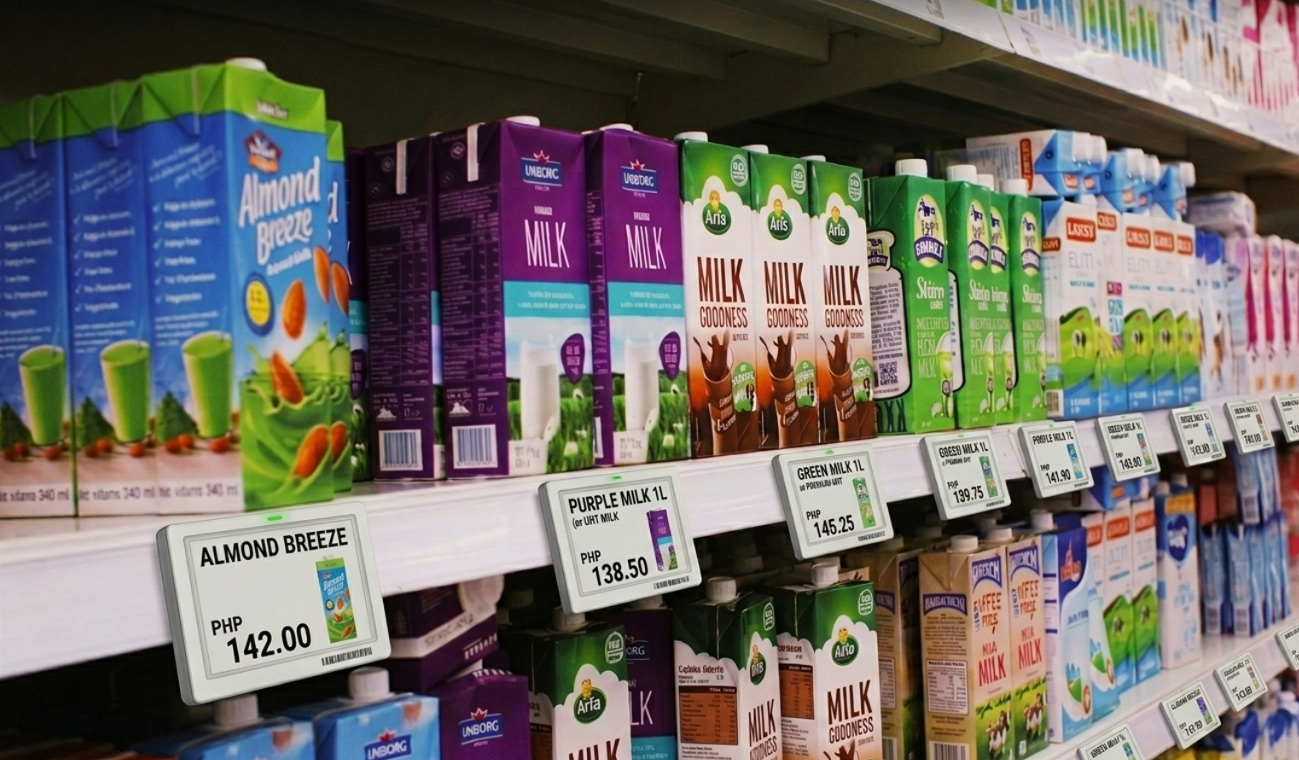
Modernize high-volume retail environments across the Philippines. Eliminate paper price tag errors, automate perishable markdowns, and execute synchronized price changes across thousands of SKUs in seconds.
Operational Realities
Why Supermarkets Are Moving Away From Paper Tags
The High Cost of SKU Density & Manual Labor
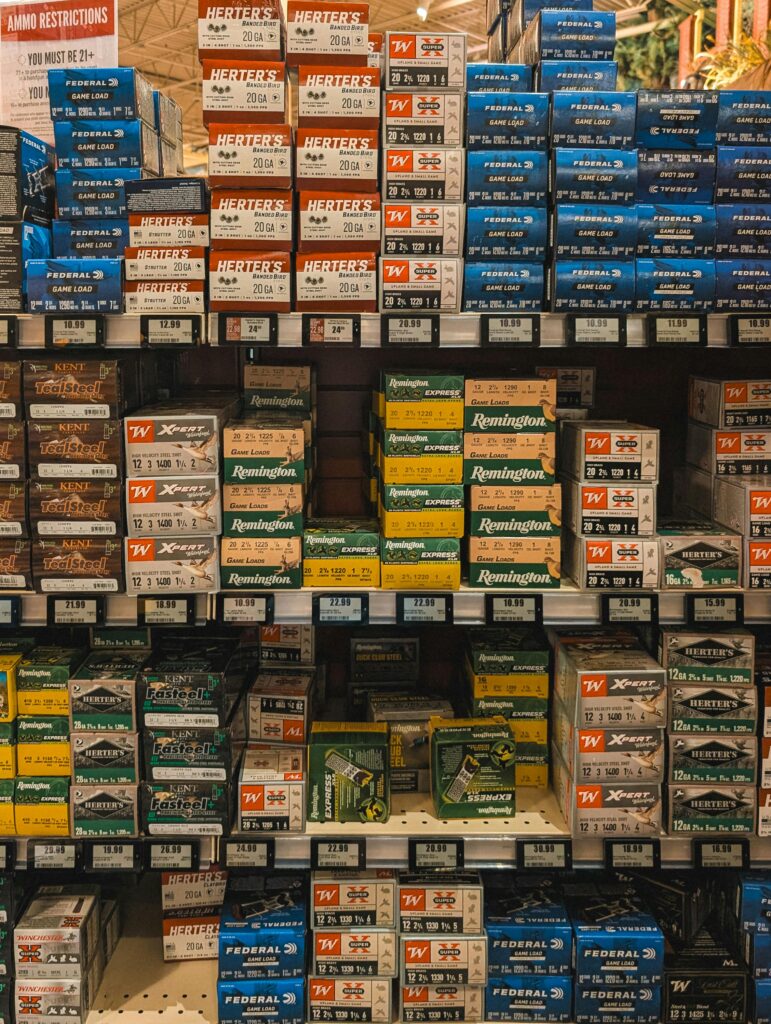
Modern supermarkets and hypermarkets handle anywhere from 10,000 to over 30,000 active SKUs. Traditional paper labeling models require dozens of night-shift personnel or floor staff spending endless hours printing, sorting, walking the aisles, and manually sliding paper inserts into shelf channels.
This manual workflow introduces constant labor fatigue and leaves wide margins for human error—resulting in mismatched tags that frustrate shoppers at the cash register.
Navigating Compliance & Price Accuracy
In the Philippines, retail price precision is heavily scrutinized. Discrepancies between what is displayed on the physical shelf shelf-edge and what is scanned at the POS counter damage store reputation and invite regulatory scrutiny.
Electronic Shelf Labels (ESL) create an unbreakable loop between your central inventory database and the shelf edge. When a price updates in your ERP, every corresponding display updates simultaneously—guaranteeing 100% price accuracy.
High-Performance Hardware
Designed for Grocery Aisles & Wet Markets
Dynamic Markdown Pricing
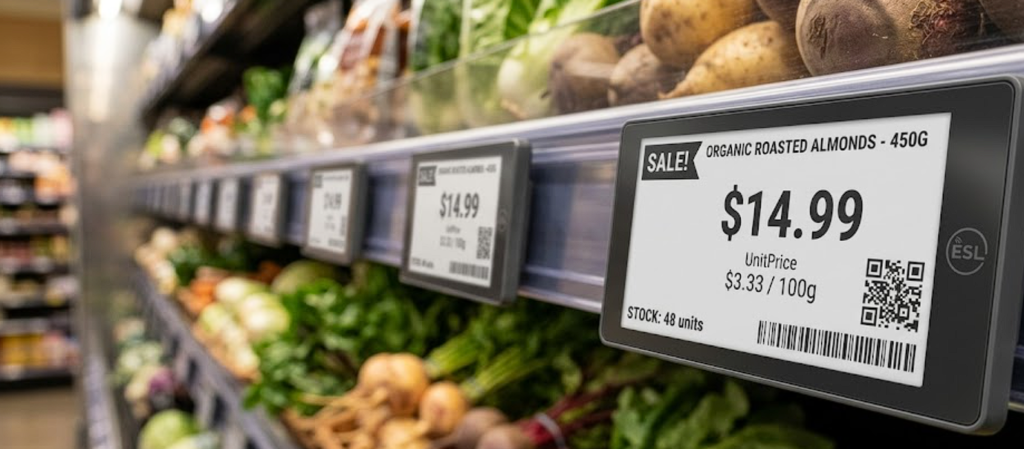
Execute rapid flash sales or end-of-day markdowns on short-shelf-life goods like fresh produce, meats, and bakery items without printing single-use paper stickers.
Multi-Color Promo Badges
Highlight promotional campaigns ("Buy 1 Take 1", "Member Special", or "Rollback") using striking electronic ink colors (Black, White, Red, and Yellow) to grab shopper attention.
Freezer & Chiller Resilience
Deploy rugged, low-temperature resistant e-paper tags specifically engineered to withstand condensation, frost, and sub-zero temperatures inside dairy and frozen food display cases.
Implementation Process
Integrating ESL Into Your Store Network Architecture
Centralized Cloud Control Across Multiple Branches
Whether you operate a single flagship supermarket or manage a nationwide chain of convenience and grocery branches, our cloud infrastructure scales effortlessly.
Head office executives can schedule regional price rollouts, verify battery health status across hundreds of thousands of tags, and pull audit trails through a single unified browser dashboard—eliminating the need for individual store intervention.
Common Inquiries
Frequently Asked Questions About Supermarket ESL Systems
How long do electronic shelf label batteries last?
Standard grocery ESL tags operate on ultra-low-power e-paper technology, lasting between 5 to 7 years based on an average of 3 to 4 price updates per day before requiring a simple battery swap.
Will ESL interfere with store Wi-Fi or customer mobile signals?
No. Our wireless communication gateways operate on secure, dedicated radio frequencies (such as 2.4GHz proprietary protocols) designed specifically to avoid interference with existing store Wi-Fi routers or POS networks.
Can ESL handle heavy foot traffic and shopping cart impacts?
Yes. Grocery tags are encased in robust, impact-resistant industrial polymer shells protected by transparent shelf rails that absorb direct hits from shopping carts and restocking bins.
Ready to Transform Your Supermarket Operations?
Connect with our retail automation team to discuss hardware layouts, software compatibility, and a customized pilot program for your grocery branches.